
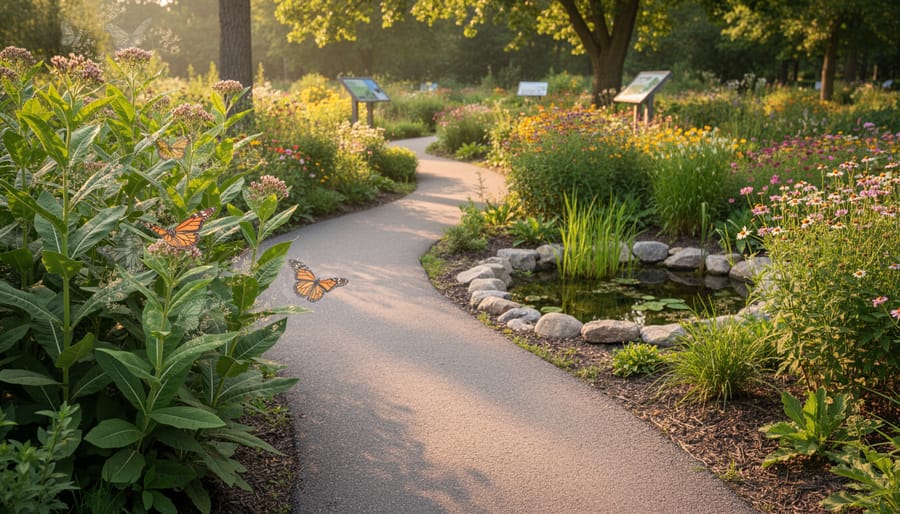
Tucked along Hibernia Street at number 116, the Cobourg Ecology Garden welcomes visitors daily from 6:00 AM to 9:00 PM as a living classroom where native plants, pollinator habitats, and sustainable gardening practices come together on accessible pathways. This town-owned green space offers a peaceful retreat where you can observe monarch butterflies visiting milkweed stands, explore demonstration beds showcasing drought-tolerant perennials, and learn from interpretive signage about ecological gardening principles you can apply at home.
Whether you’re planning a quiet morning stroll before exploring the rest of Cobourg’s waterfront or looking for a family-friendly spot that combines education with natural beauty, the garden delivers an authentic look at how landscapes can support local wildlife while remaining beautiful and low-maintenance. Parking is straightforward, with free on-street and waterfront lot options for your first three hours, then $2.50 per hour after that. The accessible path ensures everyone can enjoy the thoughtfully designed spaces, from rain gardens that manage stormwater to native wildflower meadows that bloom throughout the growing season.
What sets this garden apart from typical public parks is its focus on demonstrating real solutions. You’ll see composting systems in action, learn which plants thrive in our regional climate without chemicals, and discover how even small yard changes can create habitat corridors for birds and beneficial insects. It’s a resource that local gardeners return to for inspiration and visitors genuinely enjoy as part of a Cobourg day trip.
Why Visit the Cobourg Ecology Garden
The Cobourg Ecology Garden offers a rare chance to explore Ontario’s native plant communities without leaving town. This community-driven conservation project transforms a quiet corner of Cobourg into a living classroom where visitors can learn about local ecosystems, spot butterflies hovering over wildflower meadows, and enjoy genuinely accessible outdoor space. Whether you’re a nature photographer hunting for the perfect shot of a swallowtail butterfly, a family looking for an easy educational outing, or someone who simply needs a peaceful place to walk and think, this garden delivers.
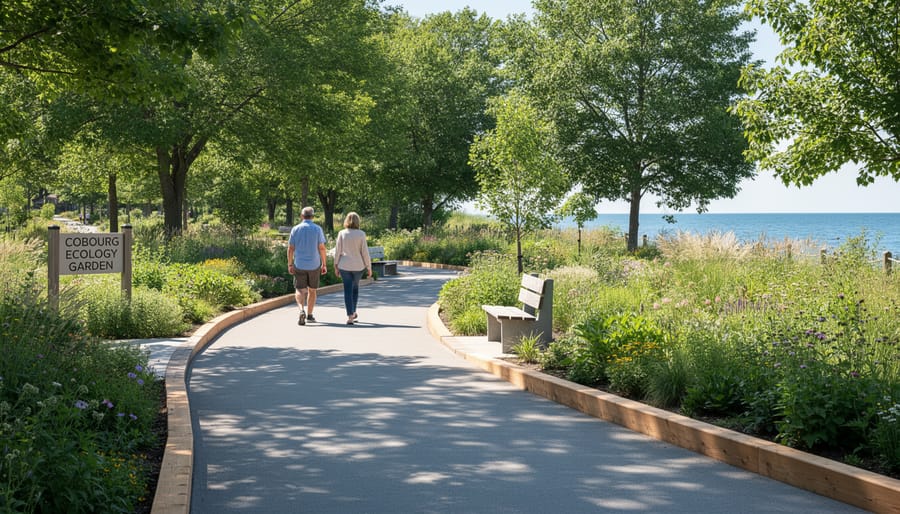
The garden’s accessible path system means everyone can enjoy the space comfortably, from visitors using wheelchairs to parents pushing strollers. Unlike some nature areas that require stamina and sturdy boots, these maintained paths let you focus on what’s around you rather than where you’re stepping. Benches scattered throughout provide perfect spots to pause and watch for wildlife, from songbirds flitting between branches to dragonflies patrolling the meadow edges.
What sets this garden apart is its focus on education without feeling like a lecture. You’ll discover which plants attract hummingbirds, why certain wildflowers support struggling bee populations, and how to recreate these mini-ecosystems in your own backyard. The photography opportunities shift with the seasons, spring brings delicate woodland blooms, summer explodes with color and pollinator activity, and fall transforms the space with rich golds and russets. For locals, it’s become a beloved green refuge that proves conservation and community use can thrive together.
Top Areas and Features to Explore
1. Native Plant Gardens and Wildflower Meadows
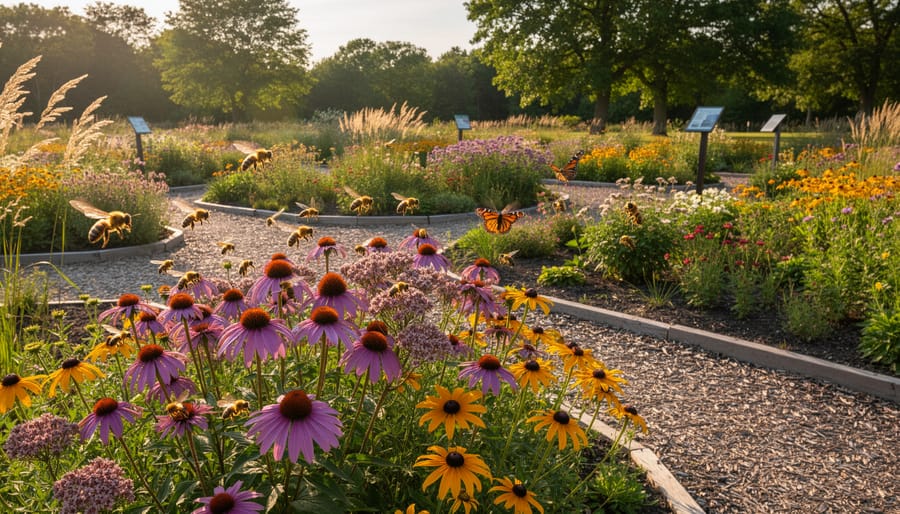
The native plant gardens showcase species that have thrived in Ontario for thousands of years, creating living classrooms where visitors learn what actually belongs in our region. You’ll find black-eyed Susans and purple coneflowers dominating the summer meadows, their vibrant blooms drawing clouds of butterflies and bees. Spring brings early bloomers like trilliums and wild columbine, while fall asters provide crucial late-season nectar when pollinators need it most.
Educational signs throughout these areas explain which plants support which wildlife. You’ll discover that a single native oak can host over 500 species of caterpillars, while non-native ornamentals might feed only a handful. The wildflower meadows demonstrate what happens when you let nature take the lead: instead of manicured grass, you get year-round visual interest and a feeding station for goldfinches, native bees, and migrating monarchs.
These gardens matter because they’re functional ecosystems, not just pretty displays. The deep-rooted prairie plants prevent erosion, filter rainwater, and need zero fertilizer once established. For home gardeners, these beds serve as inspiration boards showing exactly what works in our climate without coddling or chemicals.
2. Accessible Walking Paths and Observation Points
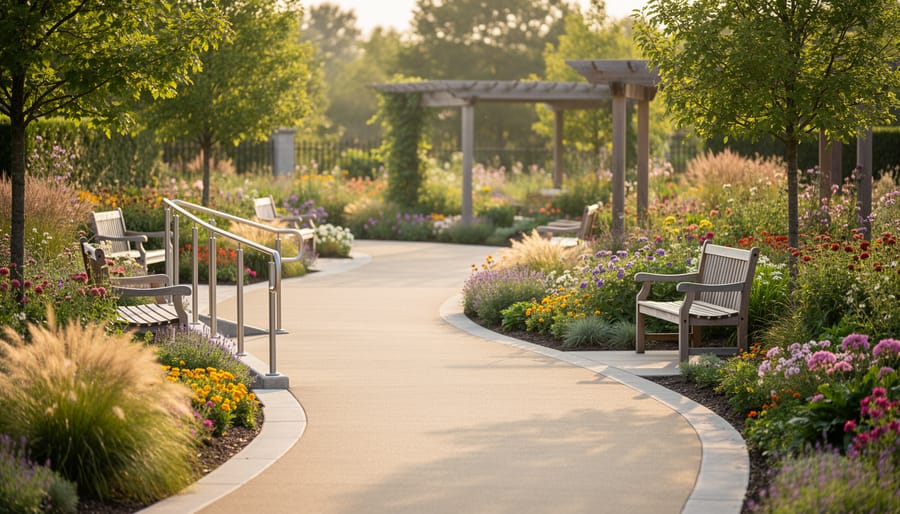
The garden’s path system makes exploring easy for everyone. A main accessible path loops through the property, wide enough for wheelchairs and strollers, with a smooth, level surface that eliminates barriers. You won’t struggle with steep grades or narrow gaps, the designers prioritized ease of movement so visitors of all abilities can experience the native plantings and wildlife without obstacles.
Benches dot the route at regular intervals, positioned to offer both rest and strategic views. Some face open meadow areas where butterflies gather on wildflowers, while others sit tucked into shaded spots along the woodland edge. These aren’t afterthoughts, they’re deliberate observation points where you can settle in quietly and watch for birds moving through the canopy or foraging near the native shrubs.
The layout encourages slow exploration. Because the paths wind rather than march in straight lines, you’ll round a corner and discover a new vantage point: a clearing that reveals the full sweep of the meadow, or a bench placed where morning light filters through the trees. Bird watchers particularly appreciate the quiet alcoves where you can sit still and let the wildlife come to you, warblers in spring, goldfinches in summer, and chickadees year-round.
3. Butterfly Garden and Pollinator Zone
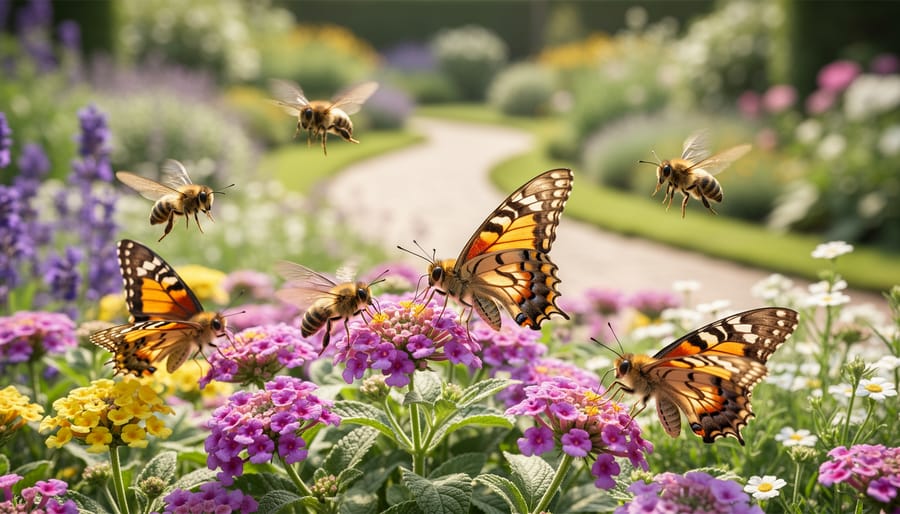
The butterfly garden and pollinator zone showcases one of the garden’s most vibrant spaces, specifically designed to support local pollinator populations. This dedicated area features flowering plants chosen for their nectar-rich blooms and ability to attract butterflies, bees, and the occasional ruby-throated hummingbird during migration seasons.
Watch for common Eastern Ontario butterfly species including monarchs, swallowtails, painted ladies, and various fritillaries moving between the blooms. Native bees, from tiny sweat bees to chunky bumblebees, work the flowers throughout warmer months. The garden includes host plants that caterpillars need alongside nectar sources for adult butterflies, creating a complete lifecycle habitat.
Peak activity happens on warm, sunny days between late morning and mid-afternoon when pollinators are most active. Early summer through September offers the best viewing, with different species emerging throughout the season. Bring your camera with a zoom lens if you want butterfly photos without disturbing them, and move slowly since sudden movements send them fluttering away. The benches near this zone let you sit quietly and watch the constant dance of pollinators at work.
4. Woodland Trail and Shade Gardens
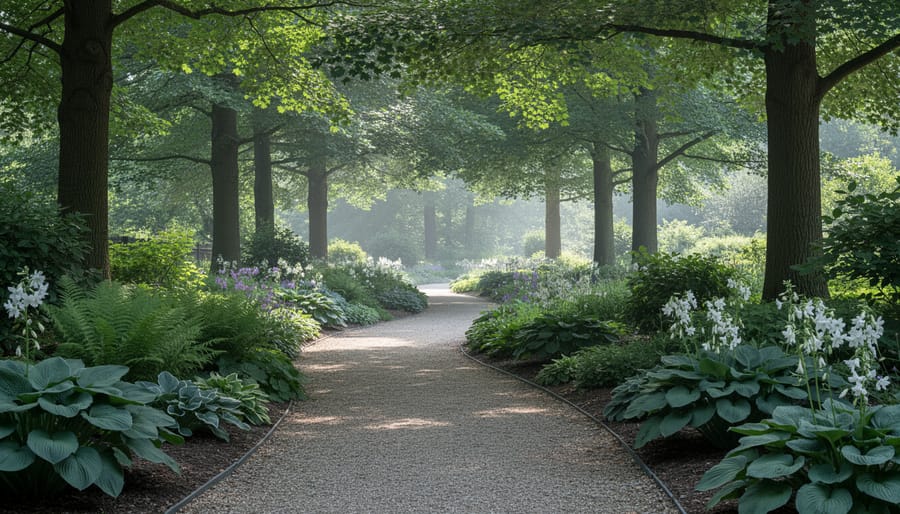
The woodland trail offers welcome respite on sweltering summer afternoons when the open meadows shimmer with heat. Here, mature trees create a natural canopy that keeps temperatures noticeably cooler, making it the garden’s most comfortable zone during July and August.
The shaded path winds beneath oaks and maples, where you’ll find native woodland species that thrive without full sun. Look for trilliums in spring, wild ginger spreading across the forest floor, and delicate ferns that unfurl along the trail edges. These shade-loving plants demonstrate how layered ecosystems work in Ontario’s natural forests.
Educational markers identify species and explain their role in woodland ecology, how leaf litter feeds the soil, why certain plants bloom before the canopy leafs out, and which native ground covers prevent erosion. The trail’s packed surface remains firm even after rain, and benches positioned at intervals let you sit quietly and listen for woodpeckers or watch chipmunks dart between trees.
This section feels distinctly different from the sun-drenched meadows. The light filters green through leaves, bird calls echo differently, and the whole atmosphere shifts to something quieter and more contemplative.
5. Educational Signage and Interpretation
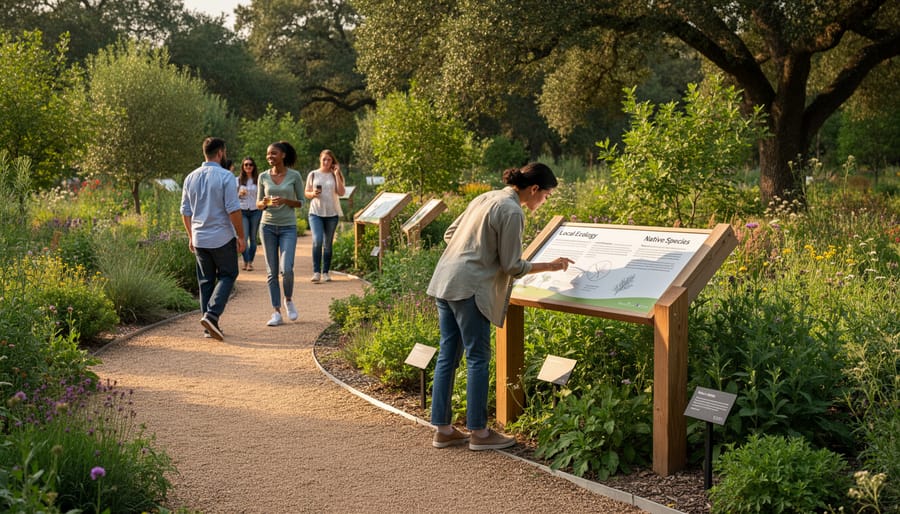
Throughout your walk, you’ll encounter thoughtfully placed interpretive signs that turn a casual stroll into an educational experience. These displays explain which plants are native to the Cobourg area and why they’re essential for local ecosystems. You’ll learn how native species support monarch butterflies, native bees, and songbirds in ways that ornamental imports simply can’t match.
The signage also covers practical sustainable gardening techniques you can apply at home. Look for panels describing how to reduce water use, eliminate pesticides, and create habitat corridors in your own yard. Several signs highlight specific conservation challenges facing Eastern Ontario’s ecosystems and what community efforts like this garden accomplish in response.
The information is presented clearly without overwhelming detail, making it accessible whether you’re a gardening novice or a seasoned naturalist. Many visitors find themselves pausing at each sign, discovering connections between plants, pollinators, and the broader environment they hadn’t considered before. It’s this blend of beauty and learning that makes the garden more than just a pretty space.
Practical Information for Your Visit
The Cobourg Ecology Garden sits at 116 Hibernia St. in Cobourg, making it an easy stop whether you’re exploring the downtown core or spending time at the nearby waterfront. The garden is open daily from 6:00 AM to 9:00 PM, giving early risers a chance to enjoy the peace of morning birdsong and evening visitors the opportunity to catch golden-hour light filtering through the trees.
| Detail | Information |
|---|---|
| Address | 116 Hibernia St., Cobourg, ON |
| Hours | 6:00 AM, 9:00 PM daily |
| Parking | First three hours free in waterfront lots and on-street spaces, then $2.50/hour or $20/day |
| Accessibility | Accessible paths throughout the garden |
| Admission | Free |
Parking is available in nearby waterfront parking lots and on-street spaces. The town offers the first three hours free, after which rates are $2.50 per hour or $20 for the full day. Keep in mind that parking enforcement runs 24/7 year-round, so set a timer if you’re planning a longer visit.
The garden features accessible paths that accommodate wheelchairs, strollers, and anyone with mobility needs, allowing everyone to explore the native plantings and walking trails comfortably. You’ll find benches scattered throughout for resting and taking in the surroundings.
What to bring depends on your plans. Comfortable walking shoes work best on the natural paths, especially after rain. A water bottle is smart for warmer days, and binoculars enhance wildlife watching if you’re keen on spotting birds or butterflies. Camera lovers should bring their gear for macro shots of flowers and pollinators. Bug spray can be helpful in summer months, particularly near the woodland areas. For more visitor information details check with local resources before your trip.
Best Times to Visit
The garden rewards visits year-round, but each season offers distinct highlights. Spring (late April through June) brings wildflower blooms and migrating songbirds, while summer (July-August) showcases the butterfly garden at its peak with monarchs, swallowtails, and native pollinators active in the warmth. Early morning visits between 7:00 and 10:00 AM offer the best wildlife viewing and cooler temperatures before the midday heat.
Seasonal highlights include:
- Spring: Trilliums, bloodroot, and early native wildflowers; migratory birds returning to nest
- Summer: Peak butterfly activity, full bloom in pollinator gardens, lush green canopy on woodland trails
- Fall: Vibrant foliage colors, seed heads attractive to finches, quieter atmosphere as summer crowds thin
- Winter: Peaceful snow-covered paths, evergreen interest, bird feeding activity (limited accessibility in heavy snow)
The garden sees fewer visitors on weekday mornings and during light rain, which can actually enhance the experience with glistening foliage and active wildlife. Most visitors spend 45 minutes to an hour exploring the paths, though photographers and serious nature observers often linger for two hours or more. Avoid visiting during extreme heat without water, as shade is limited in the meadow areas. The garden is open 6:00 AM to 9:00 PM, giving flexibility for early risers or evening strolls when the light is softer.
Local Tips from Cobourg Visitors
Locals often pair a morning stroll through the Ecology Garden with a walk down to Victoria Beach, just a few blocks south. The combination gives you native woodland and wildflower habitats followed by lakefront views, and if you start early you’ll have the garden mostly to yourself before mid-morning visitors arrive.
For photography, the butterfly garden produces the best shots in late morning when pollinators are most active and the light is strong but not harsh. Bring a macro lens if you have one. Wear closed-toe shoes with good grip, the woodland trail can be damp and slippery after rain, even though the main accessible path stays dry. Many Cobourg residents use the garden as a quiet lunch spot or a mid-afternoon reading retreat, bringing a blanket to spread near the meadow edge where benches are spaced far enough apart for privacy. If you’re looking for more natural areas to explore nearby, the Koobs Nature Area offers longer trails and wetland habitats about ten minutes north of town. The garden doesn’t have facilities, so grab coffee beforehand at one of the King Street cafés or pack water for your visit.
Frequently Asked Questions
Is admission to the Cobourg Ecology Garden free?
Yes, the garden is completely free to visit. It’s a public town park open to all visitors during operating hours from 6:00 AM to 9:00 PM daily.
Are dogs allowed in the garden?
While the garden welcomes visitors year-round, it’s best to check current pet policies with the Town of Cobourg, as some conservation areas restrict dogs to protect wildlife and native plantings. Many visitors combine their garden visit with nearby pet-friendly trails like Trail 2 North or the Joffre Street Trailhead if they’re exploring with their four-legged companions.
Is the garden wheelchair accessible?
The garden features accessible paths designed to accommodate visitors with mobility needs, making it easy to explore the plantings and observation points. Benches along the routes provide rest spots throughout your visit.
Where do I park and is it free?
The garden is located at 116 Hibernia St., and visitors can use nearby waterfront parking lots or on-street spaces. Parking is free for the first three hours, then $2.50 per hour or $20 per day. Keep in mind that parking enforcement runs 24/7 year-round.
Are guided tours available?
The garden’s educational signage provides self-guided interpretation of the native plantings and ecological features. For organized group tours or programming, contact the Town of Cobourg directly as seasonal offerings may vary.
The Cobourg Ecology Garden offers a rare chance to pause and reconnect with the natural rhythms that once defined this lakeshore landscape. Whether you spend twenty minutes or two hours here, you’ll leave with a deeper appreciation for the native plants, pollinators, and ecosystems that thrive when given space to flourish. It’s a reminder that conservation doesn’t always happen in remote wilderness, sometimes it takes root right in the heart of a town.
This garden pairs beautifully with Cobourg’s other attractions. Start your morning with a quiet stroll through the native plantings, then head to the waterfront for beach time or harbor views. Cap off your day with dinner at Jocovine Bistro where international flavors complement your day of local discovery. The garden may be small, but its impact lingers, a peaceful, educational stop that enriches any Cobourg visit.